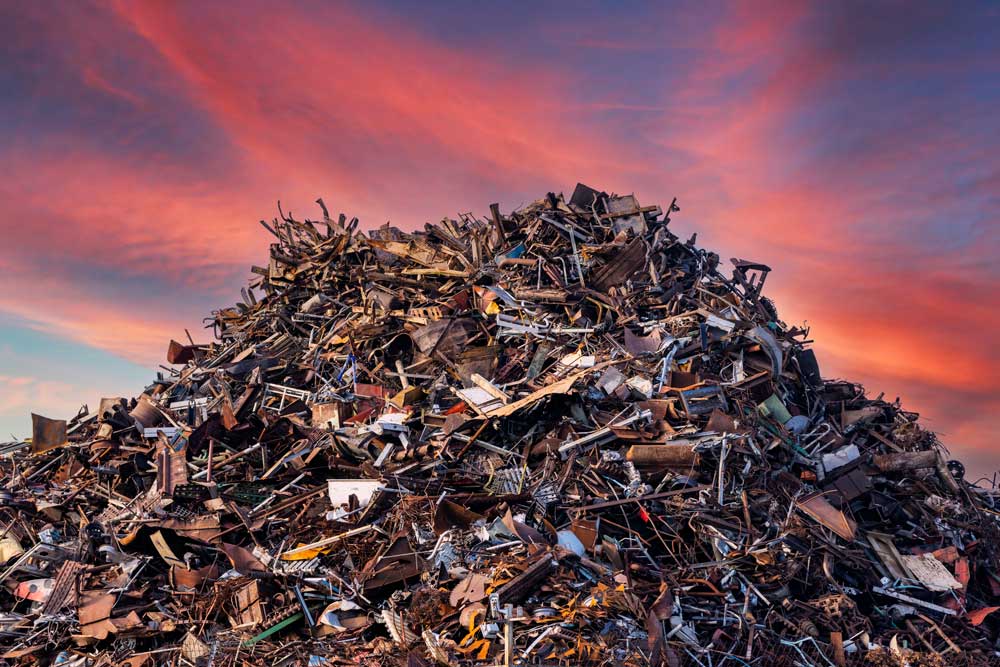

Metal is one of the most useful materials in modern life. It is found in vehicles, appliances, construction materials, machinery, electronics, packaging, and countless everyday products. However, when unwanted metal items are thrown away instead of properly processed, valuable materials can be lost. Recycling provides an effective way to recover these resources and give them another useful purpose.
One major benefit of recycling metal is that it reduces the need for new raw materials. Producing metals from newly extracted resources can require mining, transportation, processing, and significant amounts of energy. Recovering existing materials from discarded products can reduce some of the demand for additional raw materials and make better use of resources that are already available.
Many different types of metal can be recycled. Common examples include aluminum, copper, steel, brass, and certain other metal alloys. These materials can come from old appliances, automobiles, construction waste, industrial equipment, wiring, pipes, cans, and other products. Separating different metals properly can help recycling facilities process materials more efficiently.
Another important advantage is waste reduction. Large quantities of metal products can accumulate when old equipment, vehicles, and building materials are replaced. Sending suitable metal items to recycling facilities keeps reusable materials out of landfills and creates an opportunity for them to enter the manufacturing cycle again.
Businesses can also benefit from responsible recycling practices. Construction companies, manufacturers, automotive businesses, and contractors may generate considerable amounts of scrap metal during normal operations. Instead of allowing this material to take up valuable storage space, businesses can organize and send recyclable materials to appropriate facilities.
For homeowners, metal recycling can be a practical way to handle unwanted items during renovations, cleanouts, or property improvements. Old pipes, damaged appliances, metal fixtures, unused equipment, and other items may contain recyclable materials. Before throwing such objects away, homeowners can determine whether a local recycling facility accepts them.
The recycling process generally involves several stages. Collected metal is sorted according to type and quality before being prepared for processing. Some materials may be cleaned or separated from non-metal components. The metal is then processed and prepared for use in manufacturing new products. For Lynchburg metal recyling contact BRC Co, Inc..
Recycling can also support energy conservation. Producing certain metals from recycled materials can require less energy than producing them from virgin resources, although the exact savings depend on the type of metal and recycling process involved. Using recovered materials can therefore contribute to more efficient resource use.
Environmental benefits extend beyond waste reduction. Responsible recycling can help reduce the environmental pressures associated with mining and the transportation of newly extracted materials. By keeping useful metals in circulation, recycling supports a more resource-efficient approach to production and consumption.
Safety is important when preparing metal for recycling. Sharp edges, heavy objects, electrical components, and potentially hazardous materials can create risks. Items should be handled carefully, and people should follow the requirements of the recycling facility. Certain products may require special preparation or handling rather than being placed with ordinary scrap metal.
Choosing a reputable recycling facility can make the process easier. Facilities may have different rules regarding accepted materials, preparation, pickup services, and payment. Checking these requirements before delivering scrap can help prevent delays and ensure that materials are handled appropriately.
Metal recycling also supports the idea of a circular economy, where materials are reused and recovered rather than immediately discarded. Keeping valuable resources in circulation can reduce waste and encourage more responsible manufacturing practices.
As communities and businesses continue looking for practical ways to use resources more efficiently, recycling remains an important part of waste management. Metal is especially valuable because many types can be recovered and reused through established recycling processes.
With proper sorting, safe handling, and responsible disposal, unwanted metal can become a useful resource instead of unnecessary waste. Recycling these materials can benefit businesses, communities, manufacturers, and the environment while supporting a more sustainable approach to everyday resource use.