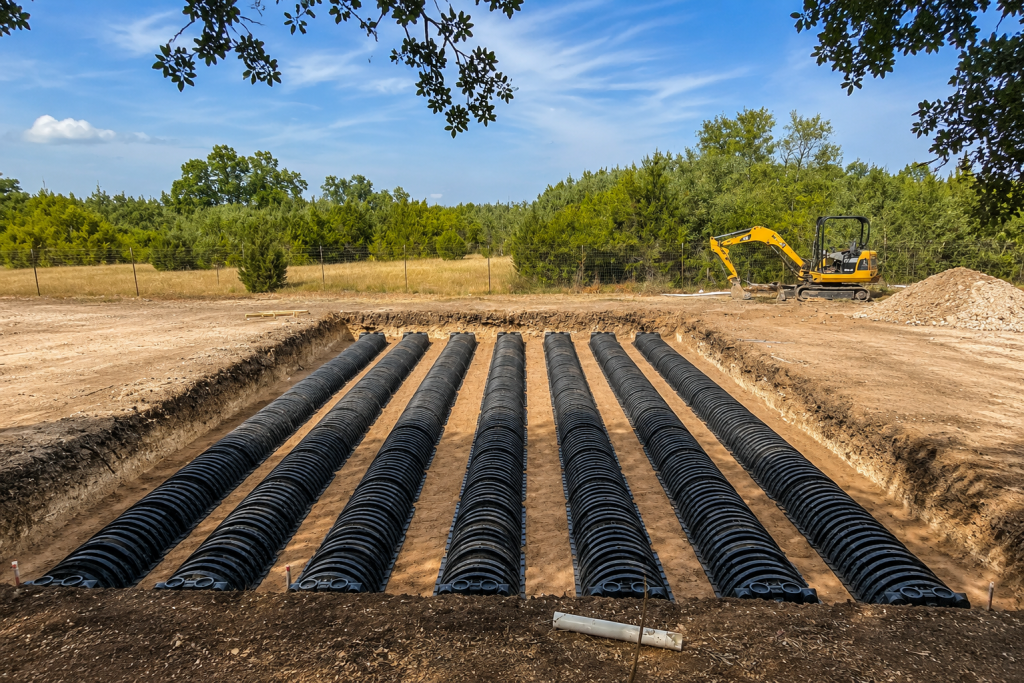

A dependable wastewater management system is an important part of maintaining a comfortable and functional property, particularly in areas that are not connected to a municipal sewer network. Proper planning, installation, and maintenance of an onsite wastewater system can help protect the property, reduce unpleasant problems, and support a healthier environment.
Understanding Onsite Wastewater Systems
An onsite wastewater system is designed to collect, treat, and safely manage wastewater generated by a property. A typical system may include a tank, underground pipes, a drain field, and other components that work together to handle household wastewater.
Because these systems are installed underground, much of the work involved in creating or replacing one requires careful land preparation. The property’s soil, slope, drainage characteristics, and available space can all influence the design and installation process.
Why Proper Site Evaluation Matters
Before installation begins, the property should be evaluated carefully. Soil conditions can affect how wastewater moves through the ground, while the terrain can influence drainage and system placement.
Professional site preparation may involve clearing vegetation, removing unsuitable soil, establishing appropriate grades, and creating the necessary excavation areas. Taking these factors into account before construction can help reduce complications during installation.
The Role of Excavation
Excavation is a major part of many onsite wastewater projects. Specialized equipment may be required to dig areas for tanks, distribution pipes, and drainage fields.
Accurate excavation is important because trenches and installation areas need to follow the planned layout and depth. Excessive disturbance of the surrounding property should also be avoided whenever possible.
Experienced excavation professionals understand how to work around existing structures, landscaping, utility lines, and other potential obstacles. For septic system installation Bedford contact Trent’s Septic & Outdoors.
Choosing the Right Location
The placement of a wastewater system requires careful consideration. The location should provide enough space for the system while maintaining appropriate separation from structures, wells, property boundaries, and other important features according to applicable requirements.
Future property improvements should also be considered. Installing a system without thinking about planned additions, driveways, landscaping, or other construction can create problems later.
Installation and Ground Preparation
Once the site has been properly evaluated, excavation and installation can begin. The ground must be prepared to accommodate the system components and provide appropriate conditions for wastewater treatment and dispersal.
After installation, portions of the excavated area may be backfilled and graded. Proper finishing can help restore the appearance of the property while encouraging appropriate drainage away from important structures.
Regular Maintenance Is Important
Installing a wastewater system is only the beginning. Routine maintenance can help keep the system functioning properly and potentially extend its service life.
Homeowners should follow recommended inspection and pumping schedules and avoid putting inappropriate materials into household drains. Excessive water use can also place unnecessary strain on the system.
Warning signs such as slow drains, unpleasant odors, unusually wet ground, or sewage backups should be addressed promptly rather than ignored.
Working With Experienced Professionals
Because wastewater and excavation projects involve underground infrastructure and site-specific requirements, professional assistance can be extremely valuable. A qualified contractor can evaluate the property, plan excavation work, coordinate installation, and help ensure that the project follows applicable local requirements.
Homeowners should ask about experience, licensing where applicable, project scope, equipment, estimated costs, and expected timelines before selecting a contractor.
Protecting the Property and Environment
A properly designed and maintained system can help manage household wastewater while reducing the risk of untreated waste entering surrounding soil or water sources.
Good excavation and installation practices are equally important. Careful site management can minimize unnecessary soil disturbance and help preserve areas of the property that are not part of the project.
Final Thoughts
A reliable onsite wastewater system depends on more than the tank or drainage components themselves. Careful site evaluation, accurate excavation, proper installation, suitable ground preparation, and ongoing maintenance all contribute to long-term performance.
Homeowners planning a new installation, replacement, or major repair should work with experienced professionals who understand both wastewater management and excavation requirements. With proper planning and regular care, an onsite system can provide dependable wastewater management for a property for many years.


