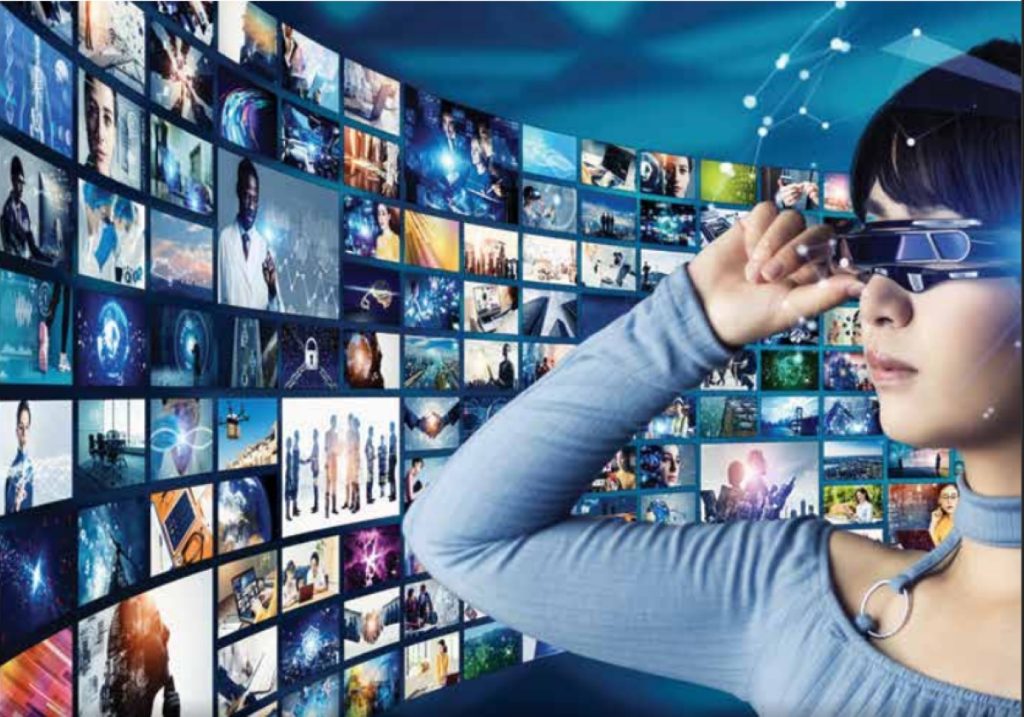

In recent years, the entertainment industry has transformed drastically, driven by technological advancements, changes in consumer behavior, and the rise of digital media platforms. From traditional television and cinema to streaming, gaming, and immersive experiences like virtual reality (VR), entertainment has become more diverse, accessible, and innovative than ever. This article explores the latest trends, technologies, and challenges defining the entertainment world today.
The Streaming Revolution
Streaming has reshaped the entertainment industry, and its influence continues to grow. Platforms like Netflix, Disney+, and Amazon Prime have revolutionized how we consume content, making on-demand viewing more popular than ever. As a result, traditional television viewership has declined, prompting cable networks to launch their own streaming services to compete.
This shift has not only expanded access to a variety of content but also diversified the types of stories told. Streaming platforms have embraced international productions, bringing global hits like “Money Heist” from Spain and “Squid Game” from South Korea into the mainstream. These shows have captivated audiences worldwide, proving that compelling stories can transcend language and cultural barriers.
Moreover, streaming platforms have enabled binge-watching, where entire seasons are released at once, giving viewers complete control over their viewing experience. This flexibility has transformed the way audiences interact with shows, sparking fan communities, social media discussions, and theories about future episodes.
The Rise of Interactive and Immersive Entertainment
As technology advances, interactive and immersive entertainment forms like virtual reality (VR), augmented reality (AR), and gaming have gained traction. Gaming, in particular, has emerged as a significant force in entertainment, generating billions in revenue and attracting a diverse demographic. Games like “Fortnite” and “Minecraft” offer immersive worlds where players can interact, socialize, and participate in live events, blurring the lines between gaming and social media.
Virtual reality has also made strides in creating fully immersive experiences. VR headsets allow users to step into different worlds, whether it’s exploring ancient cities or performing on a virtual stage. While VR adoption is still limited by high costs and the need for specialized equipment, innovations in VR technology are expected to make it more accessible and affordable in the future.
Augmented reality, seen in applications like “Pokémon GO,” has become popular as well. AR combines the virtual and physical worlds, creating interactive experiences that enhance real-world environments. This technology has vast potential, from interactive storytelling to gaming and virtual concerts, offering new ways for audiences to engage with content.
Social Media and User-Generated Content
Social media has redefined how audiences interact with entertainment and how creators distribute their content. Platforms like YouTube, TikTok, and Instagram have given rise to a new generation of creators who can build their own audiences, often independent of traditional media gatekeepers. Short-form video content on TikTok and Instagram Reels has gained popularity, with creators producing quick, engaging clips that can go viral within hours.
User-generated content (UGC) has created a democratized landscape where anyone with a smartphone can become a content creator. This trend has also influenced mainstream entertainment, with companies investing in influencers and online personalities to reach younger audiences. These creators often have strong connections with their followers, offering authenticity and relatability that traditional media may lack.
The Impact of Artificial Intelligence and Machine Learning
Artificial intelligence (AI) and machine learning have become integral in shaping the future of entertainment. Streaming services use AI to analyze user preferences and recommend content tailored to individual tastes, enhancing user experience. AI-driven algorithms also play a role in content creation, such as automated editing tools, voice synthesis, and even scriptwriting, helping creators streamline production and reach their audiences more efficiently.
AI has applications beyond content recommendation. In gaming, AI-driven characters can respond to player actions, creating dynamic and personalized gameplay experiences. Additionally, AI-based tools are used in film and music production to enhance visual effects, create lifelike animations, and compose music.
Challenges Facing the Industry
While the entertainment industry has seen impressive growth and innovation, it faces several challenges. The COVID-19 pandemic highlighted the vulnerability of traditional cinema and live events, as theaters and concert venues struggled with closures. Many studios turned to digital releases, a move that could continue reshaping how movies are distributed and monetized in the future.
Another challenge lies in balancing creativity with profitability. With the abundance of streaming options, content saturation has become a concern. Companies often prioritize blockbuster franchises and proven formulas, potentially limiting opportunities for diverse storytelling. Meanwhile, the increased competition has driven up the cost of producing high-quality content, putting pressure on studios to generate consistent revenue.
Privacy and data security are also pressing issues, as streaming platforms and social media collect vast amounts of user data. Balancing data-driven personalization with respect for user privacy will be crucial as the industry continues to grow.
The Future of Entertainment: What Lies Ahead?
Looking ahead, the entertainment industry is poised to continue evolving, shaped by both technological advancements and changing audience expectations. As virtual reality becomes more accessible, we may see an increase in VR-based entertainment options, from interactive movies to virtual concerts and sporting events. Similarly, augmented reality could redefine how we experience live events, with AR glasses allowing fans to access real-time stats and immersive visuals during concerts or sports games.
Personalization will likely become even more central to the entertainment experience, as AI and data analytics help platforms understand individual preferences on a deeper level. This means that future content might be tailored not only by genre but by specific themes, moods, and storytelling styles.
Finally, the rise of blockchain and non-fungible tokens (NFTs) may transform ownership and monetization in the entertainment industry. NFTs have already made an impact in the art world, and their potential in entertainment—such as owning unique digital collectibles, limited-edition merchandise, or even a share in content rights—could open new revenue streams for creators and give fans a unique way to support their favorite artists.
Conclusion
The entertainment industry is at a fascinating crossroads, where digital innovation, evolving consumer preferences, and new technologies are reshaping how we engage with content. From streaming and social media to virtual and augmented reality, the future of entertainment promises to be more immersive, interactive, and personalized than ever. For audiences and creators alike, these trends offer an exciting glimpse into what lies ahead in the ever-evolving world of entertainment.


