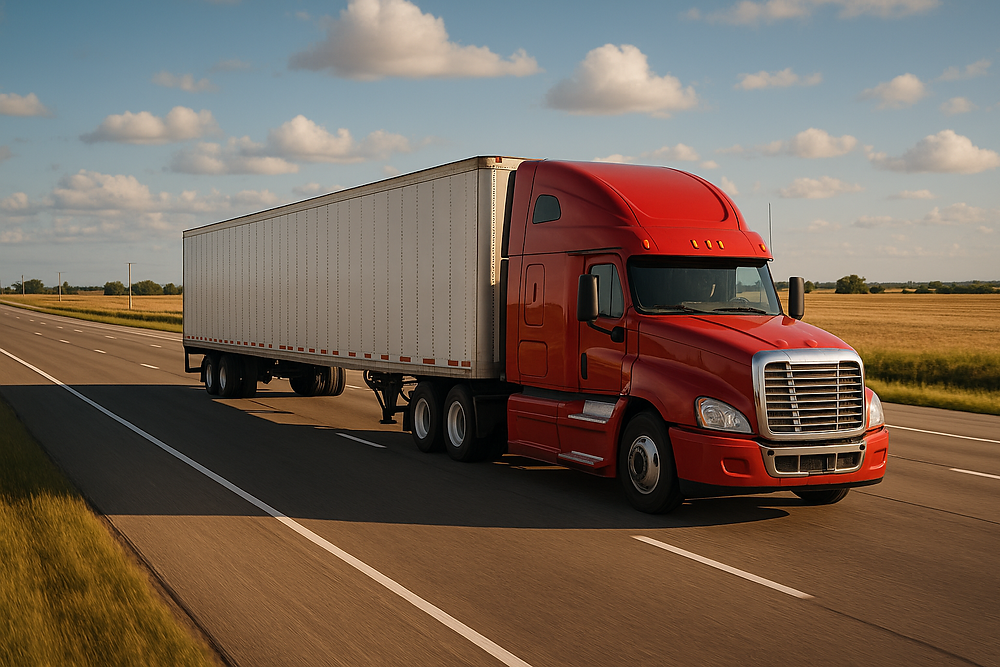

Pennsylvania has long been recognized as Pneumatic tankers PA one of the most important transportation hubs in the United States. With its strategic location between the Northeast, Midwest, and Mid-Atlantic regions, the state plays a vital role in the movement of goods across the country. From agriculture and manufacturing to retail and construction, nearly every industry depends on reliable trucking services. Trucking in Pennsylvania is more than just transportation—it is a major contributor to the state’s economy and a critical part of national supply chains.
The Importance of Trucking in Pennsylvania
Pennsylvania’s trucking industry supports thousands of businesses and provides employment opportunities for drivers, logistics professionals, mechanics, and warehouse workers. Major cities like Philadelphia, Pittsburgh, Harrisburg, and Allentown serve as key logistics centers where freight moves efficiently to nearby states and beyond.
The state’s location gives trucking companies easy access to major markets such as New York, Washington D.C., Cleveland, and Baltimore. Because of this advantage, Pennsylvania is considered a prime area for freight distribution and supply chain operations.
Every day, trucks transport essential goods including:
- Food and agricultural products
- Building materials
- Industrial equipment
- Consumer goods
- Medical supplies
- Energy resources
Without trucking, businesses and consumers would struggle to receive products on time.
Major Highways Supporting Freight Transportation
Pennsylvania’s highway network is one of the busiest in the nation. Several major interstate highways make freight movement fast and efficient.
Interstate 76 (Pennsylvania Turnpike)
The Pennsylvania Turnpike is one of the most important freight corridors in the state. Stretching across Pennsylvania, it connects major economic regions and allows trucks to move goods quickly between eastern and western markets.
Interstate 80
I-80 crosses northern Pennsylvania and serves as a major route for long-haul trucking. It provides access to rural industries, manufacturing centers, and distribution facilities.
Interstate 81
I-81 is heavily used by trucking companies because it connects Pennsylvania to southern states and major northeastern cities. Many warehouses and distribution centers are located along this corridor.
Interstate 95
Running through the eastern part of the state, I-95 is essential for freight transportation in the Philadelphia region and connects Pennsylvania to the broader East Coast market.
Industries That Depend on Trucking
Pennsylvania has a diverse economy, and many industries rely heavily on trucking services.
Agriculture
Farmers across Pennsylvania depend on trucks to transport dairy products, grains, produce, and livestock. Fresh products must reach markets quickly, making reliable transportation essential.
Manufacturing
Pennsylvania has a strong manufacturing sector producing machinery, steel, chemicals, and industrial products. Trucking companies move raw materials to factories and deliver finished products to customers nationwide.
Construction
Construction projects require constant delivery of heavy equipment, gravel, cement, lumber, and steel. Dump trucks, flatbeds, and specialized hauling companies play an important role in supporting infrastructure development.
Energy Sector
Pennsylvania’s natural gas and energy industries generate high demand for trucking services. Trucks transport drilling equipment, fuel, water, and industrial materials to various job sites.
Challenges Facing the Trucking Industry
Although trucking remains essential, companies and drivers in Pennsylvania face several ongoing challenges.
Driver Shortages
Like many states, Pennsylvania faces a shortage of qualified truck drivers. Long hours, demanding schedules, and rising operational costs make recruiting and retaining drivers difficult for many companies.
Weather Conditions
Pennsylvania experiences all four seasons, including heavy snow and icy winter conditions. Truck drivers must navigate difficult roads while maintaining safety and delivery schedules.
Fuel Costs
Fluctuating diesel prices directly affect trucking companies’ profitability. Higher fuel costs often lead to increased shipping expenses for businesses and consumers.
Traffic Congestion
Urban areas such as Philadelphia and Pittsburgh often experience heavy traffic congestion. Delays can impact delivery times and reduce efficiency for freight carriers.
Regulations and Compliance
Trucking companies must comply with federal and state safety regulations, including hours-of-service rules, vehicle inspections, and emissions standards. Staying compliant requires significant investment and management.
Technology Transforming Trucking in Pennsylvania
Technology continues to reshape the trucking industry across Pennsylvania. Many companies now use advanced tools to improve safety, efficiency, and customer service.
GPS and Route Optimization
Modern GPS systems help drivers avoid traffic congestion and find efficient routes. Route optimization software also reduces fuel consumption and delivery times.
Electronic Logging Devices (ELDs)
ELDs automatically track driving hours and help companies comply with federal regulations. These systems improve accountability and simplify recordkeeping.
Fleet Management Systems
Fleet management technology allows companies to monitor vehicle performance, maintenance schedules, fuel usage, and driver behavior in real time.
Sustainable Trucking Solutions
Many Pennsylvania trucking companies are investing in cleaner technologies, including electric trucks, alternative fuels, and fuel-efficient equipment to reduce environmental impact.
Career Opportunities in Pennsylvania Trucking
Trucking offers a wide range of career opportunities throughout Pennsylvania. Drivers can work in local delivery, regional transportation, or long-haul freight services. Specialized trucking jobs such as tanker hauling, flatbed transportation, and oversized load hauling often provide higher pay.
In addition to driving positions, the industry also creates jobs in:
- Logistics coordination
- Warehouse operations
- Equipment maintenance
- Freight brokerage
- Dispatching
- Supply chain management
Many companies offer training programs and competitive salaries to attract new workers into the industry.
The Future of Trucking in Pennsylvania
The future of trucking in Pennsylvania remains strong despite industry challenges. E-commerce growth continues to increase demand for freight transportation and faster delivery services. Distribution centers and warehouses are expanding throughout the state, creating more opportunities for trucking companies and logistics providers.
Infrastructure improvements, technology adoption, and workforce development initiatives will likely shape the next generation of trucking operations. As businesses continue to rely on efficient transportation networks, trucking will remain a cornerstone of Pennsylvania’s economy.
Conclusion
Trucking in Pennsylvania plays a critical role in keeping businesses, industries, and communities connected. The state’s strategic location, extensive highway system, and diverse economy make it one of the nation’s leading transportation centers. Despite challenges such as driver shortages, fuel costs, and weather conditions, the trucking industry continues to evolve through technology and innovation.
From agriculture and manufacturing to retail and construction, trucking ensures that goods move safely and efficiently every day. As demand for freight transportation grows, Pennsylvania’s trucking industry will continue driving economic progress and supporting supply chains across the United States.